
A CONSUMER HEALTH FEATURE
The invisible threat in every breath — and a new way to build respiratory immune resilience.
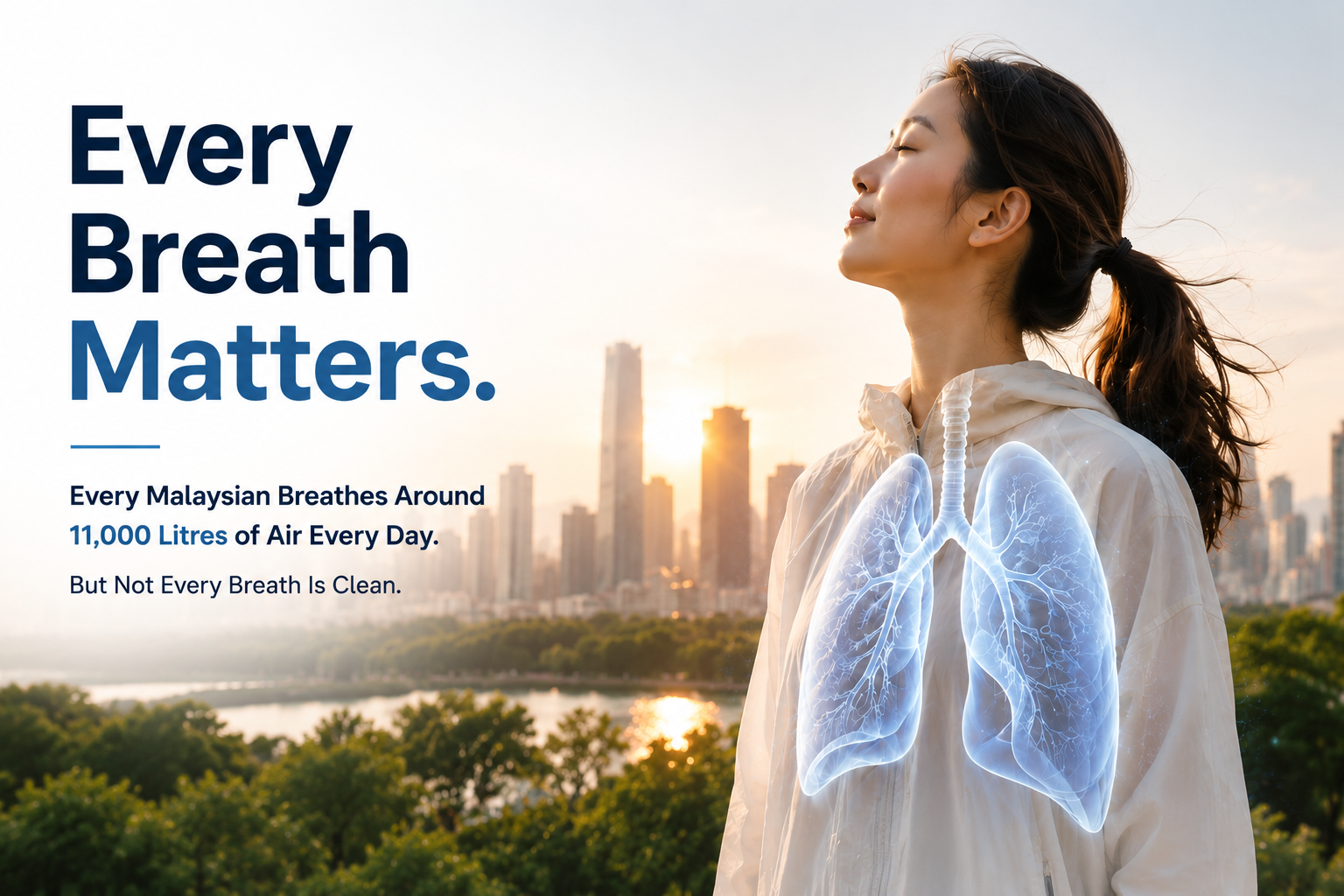
Every day, we take around 20,000 breaths — approximately 11,000 litres of air entering our lungs.
We carefully choose the food we eat and the water we drink, yet have far less control over the air we breathe. Whether commuting, walking, exercising or staying at home, our lungs are constantly exposed to invisible pollutants — especially during haze season.
01 • THE CONTEXT
Malaysia’s Hidden Lung Crisis
Lung health has quietly become one of Malaysia’s greatest public health challenges.
#1 Pneumonia remains one of the nation’s leading causes of death.
95% of lung cancer cases are diagnosed at Stage III or IV.
60% of Malaysian women diagnosed with lung cancer have never smoked.
Lung cancer is now the third most common cancer in Malaysia and a leading cause of cancer-related deaths. Many people believe lung disease affects only smokers. Unfortunately, that is no longer true.
So, what is damaging their lungs?

Increasingly, scientists are pointing towards an invisible environmental threat that every Malaysian breathes every day.
02 • THE INVISIBLE ENEMY
PM2.5
Thirty times smaller than a human hair. Small enough to reach the deepest parts of your lungs.
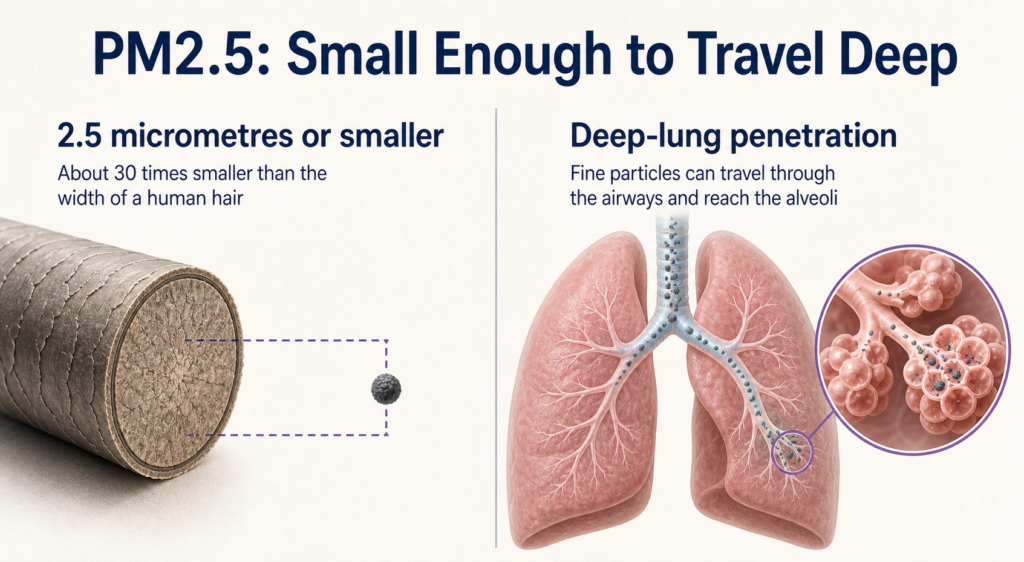
PM2.5 refers to airborne particles measuring 2.5 micrometres or smaller. Unlike larger dust particles trapped in the nose or throat, PM2.5 can travel deep into the lungs and reach the alveoli, where oxygen enters the bloodstream.
Traffic emissions • industrial pollution • open burning • forest and peat fires • seasonal haze • some indoor activities
Because PM2.5 is invisible, we rarely notice it. But our lungs do.
03 • THE MECHANISM
Why Tiny Particles Cause Big Damage
PM2.5 does not simply irritate the lungs. Repeated exposure can gradually weaken their natural defence system.
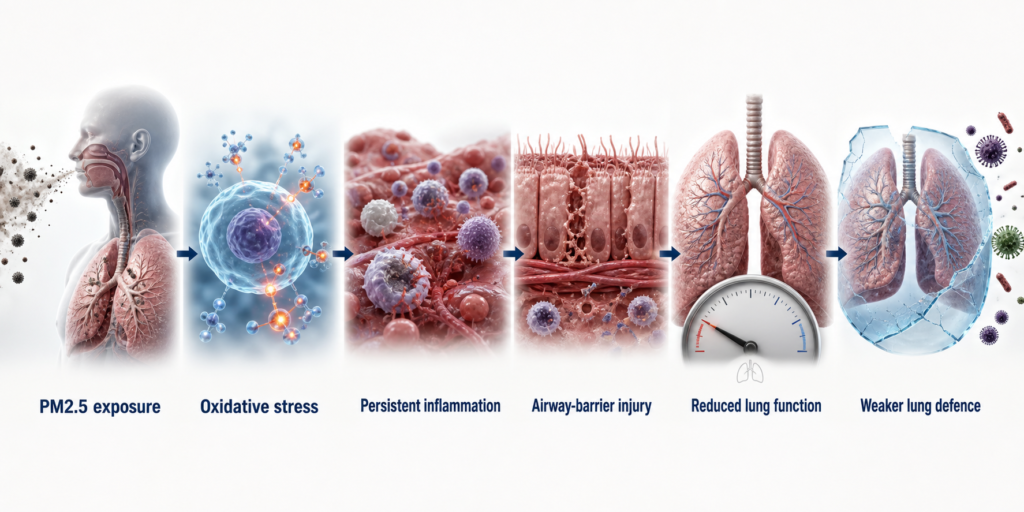
- Oxidative stress that damages lung cells
- Persistent inflammation
- Injury to the protective lining of the airways
- Reduced lung function over time
Healthy lungs trap, remove and destroy viruses, bacteria and harmful particles.
When this defence system becomes compromised, the lungs become far more vulnerable to infection.
04 • THE CONSEQUENCE
A Weakened Lung Is More Vulnerable to Infection
Respiratory infections depend not only on exposure to viruses or bacteria, but also on how well our lungs can defend themselves.
Scientific studies have shown that exposure to PM2.5 is associated with an increased risk of respiratory infections because these particles weaken the body’s natural immune defence within the lungs.
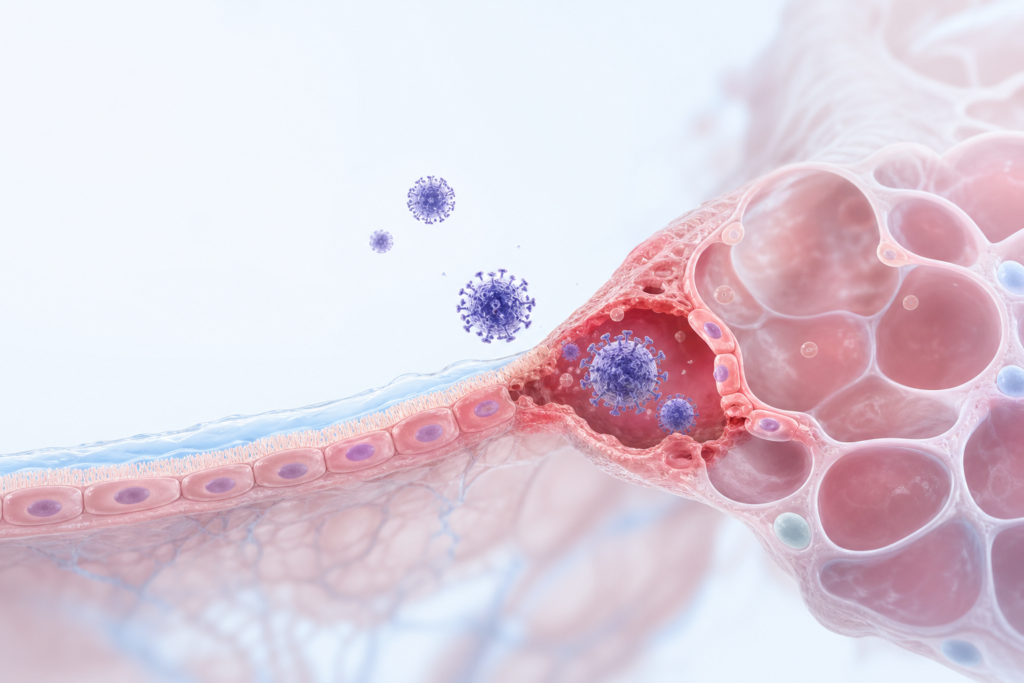
- More frequent respiratory infections
- Higher risk of pneumonia
- Longer recovery after illness
- Repeated inflammation that gradually damages lung tissue
Each infection may heal. Repeated infections can slowly reduce lung resilience over time.
Protecting our lungs therefore means more than avoiding germs. It also means reducing the harmful effects of PM2.5 on our respiratory immune system.
05 • WHO IS EXPOSED?
Why Even Non-Smokers Are at Risk
Smoking remains an important cause of lung disease. Modern lungs, however, face many other challenges.
EVERYDAY EXPOSURES
AIR POLLUTION / HAZE
PM2.5 / RESPIRATORY VIRUSES
SECOND-HAND SMOKE / VAPING
ENVIRONMENTAL POLLUTANTS / INDOOR AIR
These factors affect everyone — not just smokers.
This is one reason why increasing numbers of non-smokers are developing serious lung diseases. The health of our lungs depends not only on what we avoid, but also on how resilient our respiratory system remains.

06 • THE TURNING POINT
The Missing Link: Your Gut
The effects of PM2.5 may not be confined to the lungs.
Emerging scientific evidence suggests that airborne pollutants can also disrupt the gut microbiome — the trillions of beneficial bacteria living inside our digestive system.
SCFAs : Short-chain fatty acids help regulate immune function throughout the body.
When the gut microbiome becomes imbalanced, it produces fewer SCFAs. Lower SCFA production can contribute to poorer immune regulation and reduced respiratory resilience.
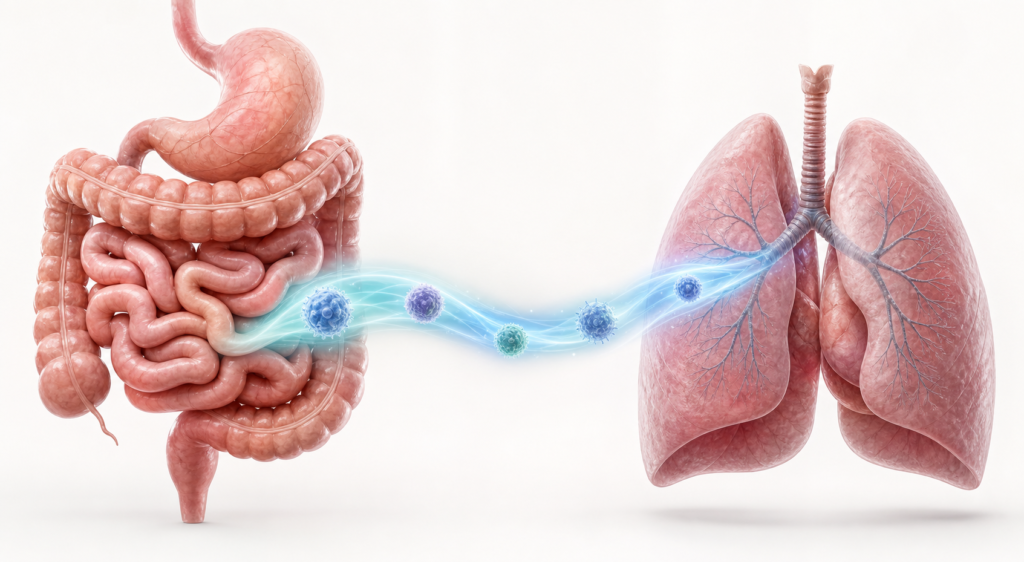
This connection is known as the Gut–Lung Axis.
07 • CONNECTED IMMUNITY
Gut–Lung Axis
Building lung health from within.
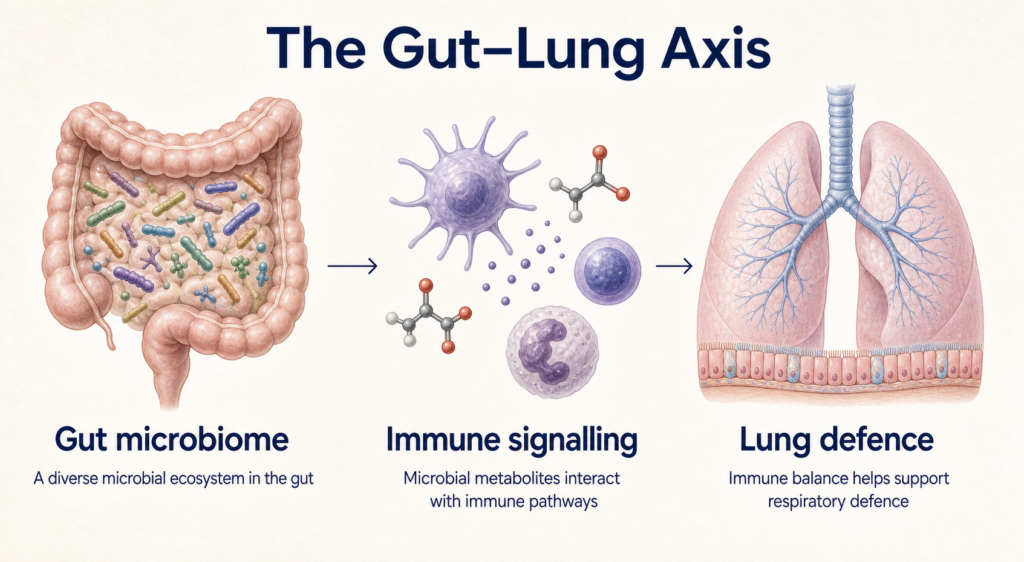
Scientists now recognise that the gut and lungs communicate continuously through the immune system. A healthy gut microbiome helps produce SCFAs that support immune balance, regulate inflammation, strengthen natural antiviral defence and promote healthier respiratory immune responses.
A healthier gut helps build healthier lungs.
Rather than viewing the lungs as an isolated organ, modern science increasingly sees respiratory health as a whole-body process.
08 • A NEW APPROACH
Precision Microbiome Science
A smarter way to support lung health.
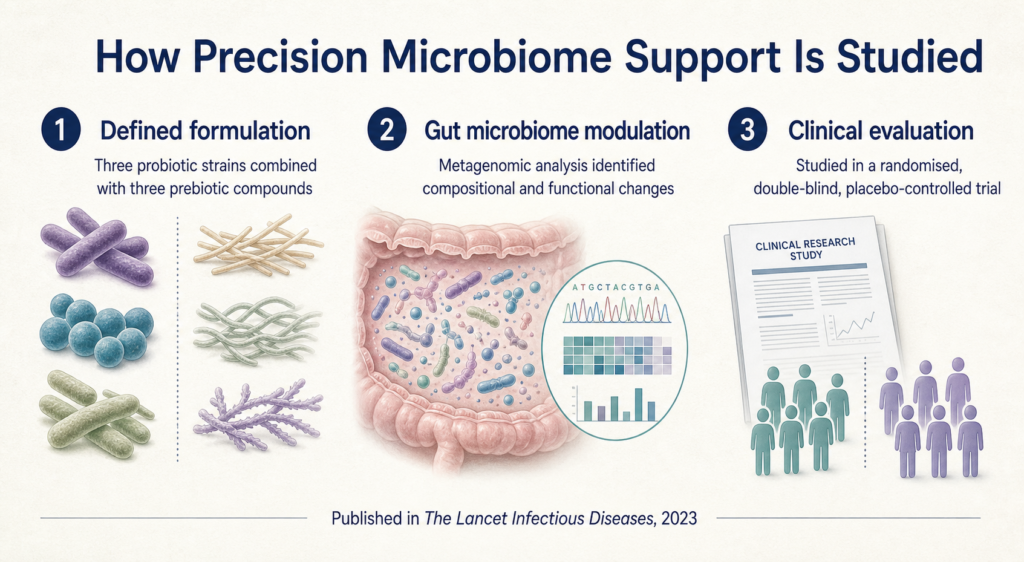
Traditional approaches often support the lungs directly with herbs, vitamins, minerals and antioxidants. These nutrients remain valuable, but advances in microbiome science suggest another strategy: supporting natural immune resilience through the gut microbiome.
Instead of adding random probiotic strains, scientists are developing Precision Microbiome Solutions using metagenomic research, artificial intelligence and carefully selected microbial consortia that work together as a functional ecosystem.
The objective is not simply to add bacteria, but to restore microbial balance and support natural SCFA production.
09 • THE SOLUTION
Why SIM01 Is Different
A Precision Microbiome Solution designed to support respiratory immune resilience through the Gut–Lung Axis.

SIM01 isn’t just another probiotic. Unlike ordinary probiotics that contain one or two selected strains, SIM01 was developed using advanced metagenomic research and artificial intelligence to identify beneficial bacteria that work together as one ecosystem.
Clinical studies show that SIM01 helps restore gut microbiome balance, promotes natural immune resilience and supports respiratory recovery through the Gut–Lung Axis.
10 • THE EVIDENCE
Proven in Human Clinical Trials
Real Science. Real Patients. Real Results.
SIM01 has been evaluated in human clinical studies demonstrating its ability to support respiratory immune resilience through restoration of the gut microbiome.
CLINICAL STUDIES SHOWED THAT SIM01 MAY HELP
- Restore gut microbiome balance
- Promote natural SCFA production
- Support respiratory immune resilience
- Promote faster recovery from respiratory infections
- Support whole-body recovery beyond the lungs
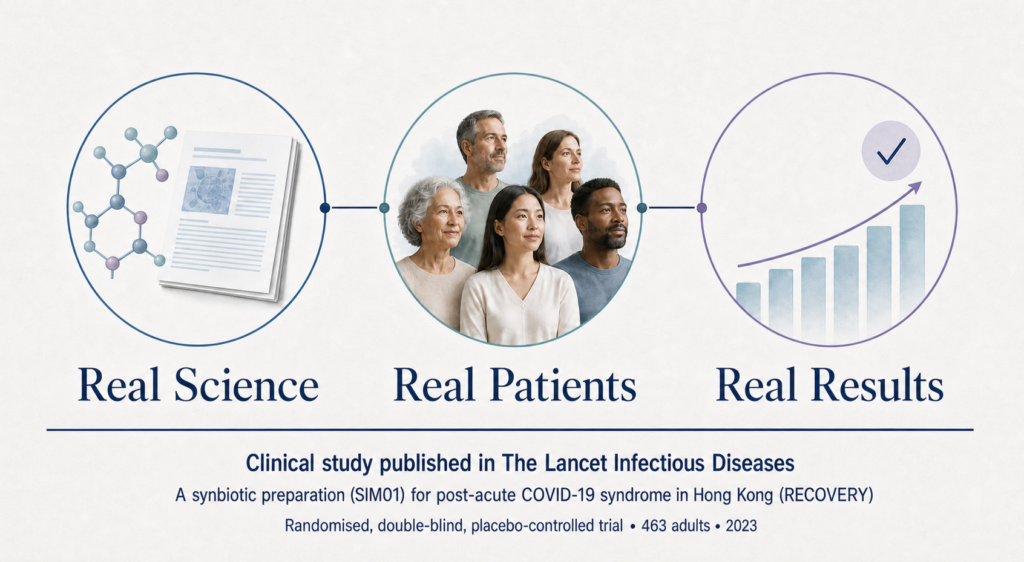
Respiratory infections don’t just affect your lungs — they affect your entire body.
11 • BEYOND THE LUNGS
Whole-Body Recovery
Clinical studies show that SIM01 supports recovery across multiple organ systems, helping people recover more completely after respiratory infections.
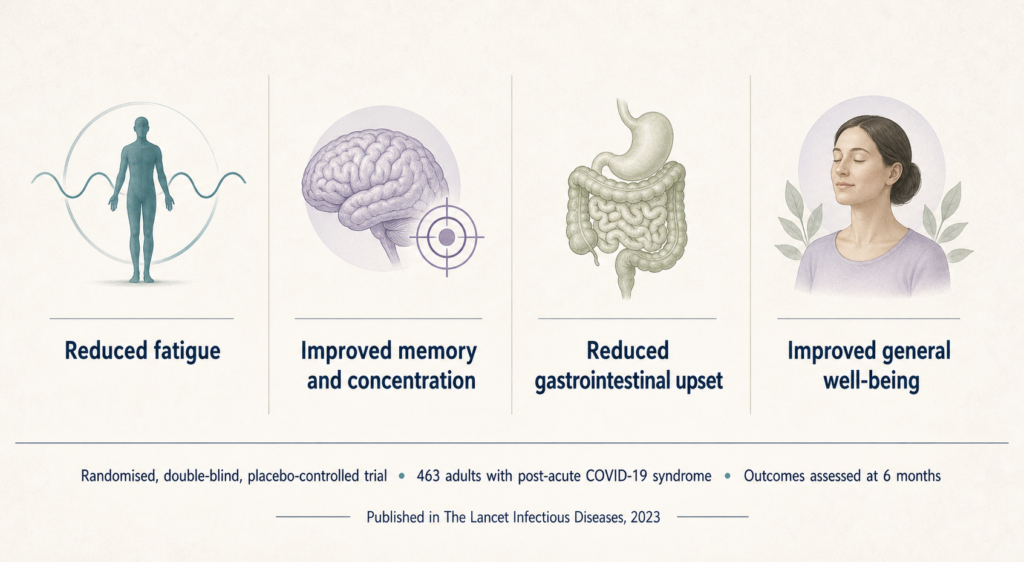
Recover better. Not just breathe better.
12 • THE CLOSING THOUGHT
Protect Every Breath
WE CANNOT STOP HAZE.
WE CANNOT ELIMINATE AIR POLLUTION.
WE CANNOT AVOID EVERY RESPIRATORY VIRUS.
But we can strengthen how our body responds.
Every breath we take leaves an impact on our lungs. By protecting the gut microbiome and supporting respiratory immune resilience, we can help our bodies stay better prepared for the respiratory challenges we face every day.
Because every breath is precious. And every breath is worth protecting.
13 • NEXT STEP
Discover a Smarter Way to Protect Your Lungs
Ask your pharmacist about SIM01 Precision Microbiome Solution and learn how supporting the Gut–Lung Axis may help strengthen your body’s natural respiratory defences.
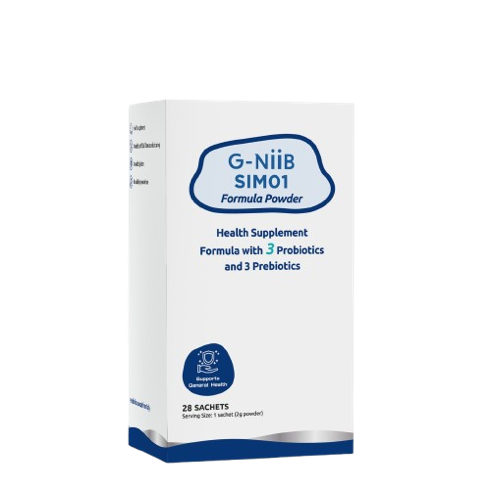
SIM01
Building Respiratory Immune Resilience from Within.
TRY SIM01 & EXPERIENCE THE DIFFERENCE FOR YOURSELF
Available at BIG & Caring Pharmacy and leading pharmacies nationwide — speak to a pharmacist today.
References
[1] The Star. Understanding Malaysia’s No. 1 killer. https://www.thestar.com.my/news/nation/2024/11/25/understanding-malaysias-no-1-killer
[2] CodeBlue. GATS Malaysia survey. https://codeblue.galencentre.org/2024/05/gats-malaysia-survey-proves-vape-availability-doesnt-cut-tobacco-smoking/
[3] Xing YF et al. Journal of Thoracic Disease. 2016.
[4] Ma J et al. European Respiratory Review. 2024.
[5] Wang SN et al. Ecotoxicology and Environmental Safety. 2024.
[6] WHO / IARC. IARC Monographs, Volume 109. 2013.
[7] Zaobao. Health article. https://www.zaobao.com.sg/lifestyle/health/story20260714-9320790
[7] The Star. El Niño brings haze red alert for Southeast Asia. https://www.thestar.com.my/aseanplus/aseanplus-news/2026/06/26/el-nino-brings-haze-red-alert-for-south-east-asia
[8] Cleveland Clinic. EVALI. https://my.clevelandclinic.org/health/diseases/24948-evali
EDITORIAL NOTE
Health, epidemiological and product-efficacy claims should receive medical, legal and regulatory review before publication. The four marked visual briefs intentionally avoid introducing new factual claims.